






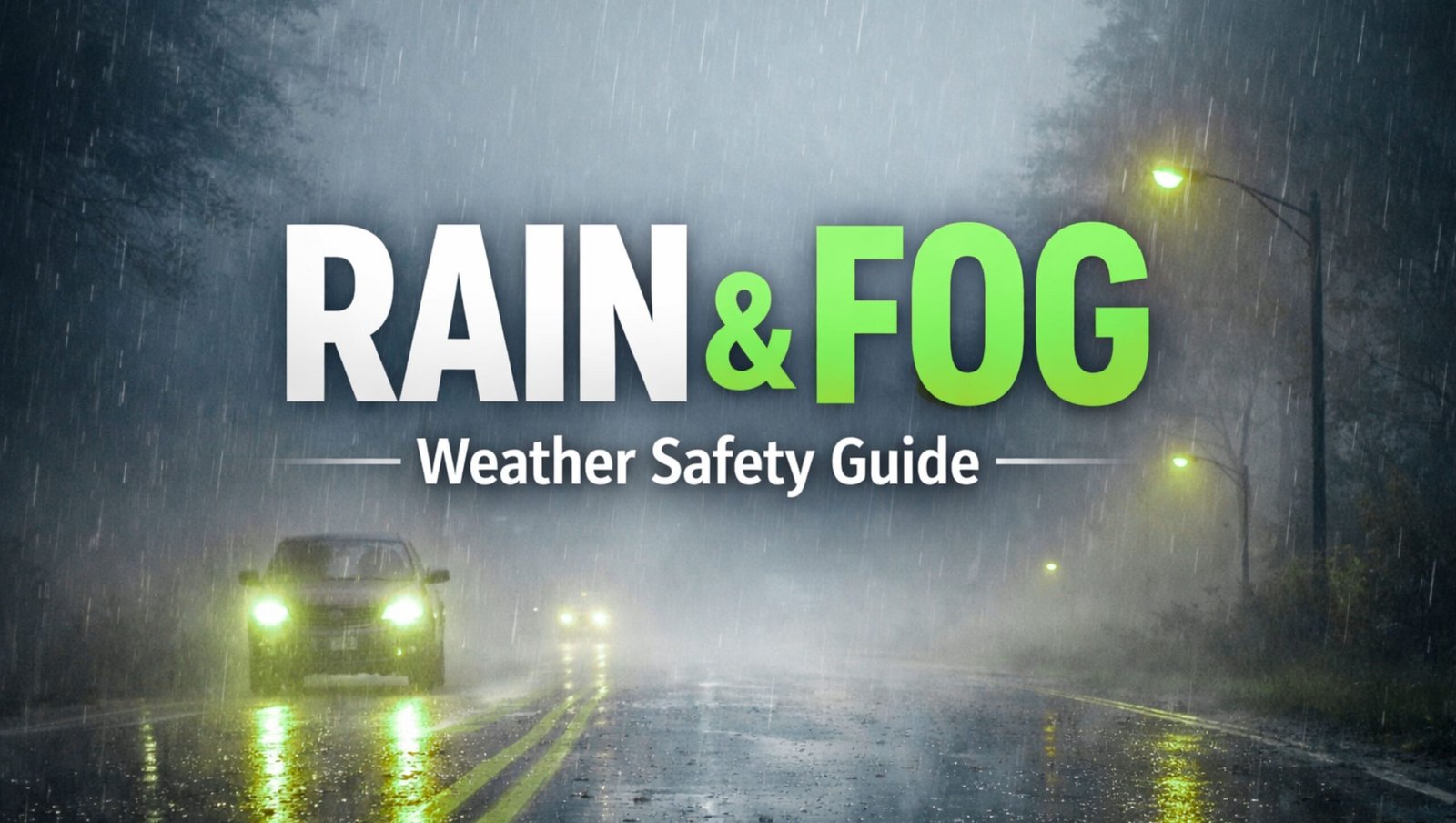
Weather plays a powerful role in shaping our daily routines, travel plans, health, and even our emotional well-being. From deciding what to wear to planning long journeys, changing weather conditions influence our lives in ways we often overlook. Among the most common yet impactful weather phenomena are rain and fog. While they may appear ordinary, these conditions can greatly affect road visibility, public safety, physical health, and the surrounding environment.
Heavy rainfall can disrupt transportation and increase health risks, while dense fog often creates hazardous travel conditions, especially during winter mornings. Understanding how rain and fog form, their real-life effects, and the precautions we should take can help us stay prepared and confident during unpredictable weather. At kainattrendscapes.com, we regularly share practical guides and insights to help readers stay informed about environmental changes, lifestyle challenges, and everyday safety tips, making it easier to adapt to nature’s changing patterns.
Understanding Rain: What Causes It?
Rain occurs when warm, moist air rises into the atmosphere, cools down, and condenses into tiny water droplets. As these droplets grow larger and heavier, gravity pulls them back to the ground as rainfall. Rainfall can vary from light drizzles to heavy downpours, depending on atmospheric conditions.
Rain is essential for life on Earth. It replenishes water sources, supports agriculture, and helps maintain ecological balance. However, excessive rain can also lead to flooding, traffic disruptions, and health concerns.
What Is Fog and How Does It Form?
Fog is a type of low-lying cloud that forms near the Earth’s surface. It develops when air cools to the point where it can no longer hold all of its moisture, causing water vapor to condense into tiny droplets suspended in the air.
Fog commonly forms during:
- Cool nights with clear skies
- Early mornings in winter
- Near rivers, lakes, or coastal areas
- After rainfall when moisture levels are high
Unlike rain, fog doesn’t fall from the sky, but it can drastically reduce visibility, making travel dangerous.
Effects of Rain on Daily Life
Rain affects daily activities in many ways, both positively and negatively.
Impact on Transportation
Heavy rainfall can slow traffic, reduce road grip, and increase the risk of accidents. Poor drainage systems may cause waterlogging, making roads unusable and disrupting public transport.
Effects on Health
Rainy weather often brings increased humidity, which can lead to:
- Seasonal flu and colds
- Skin infections
- Joint pain in people with arthritis
- Increased mosquito breeding and waterborne diseases
Environmental Benefits
Despite its challenges, rain plays a vital role in:
- Recharging groundwater
- Improving air quality by washing away pollutants
- Supporting plant growth and agriculture
Effects of Fog on Daily Life
Fog may look calm and mysterious, but it can be one of the most dangerous weather conditions.
Reduced Visibility
Dense fog can reduce visibility to just a few meters. This makes driving, flying, and even walking risky, especially during early morning and late-night hours.
Impact on Travel
Fog is a major cause of:
- Road accidents
- Flight delays and cancellations
- Train schedule disruptions
Airports and highways often issue fog warnings during winter to reduce risks.
Psychological Effects
Extended foggy weather can create feelings of dullness, low energy, and lack of motivation. Reduced sunlight may also affect mood and mental well-being.
Rain and Fog: Combined Risks
When rain and fog occur together, the risks multiply. Wet roads combined with poor visibility significantly increase accident chances. Pedestrians, cyclists, and drivers must be extra cautious during such conditions.
In urban areas, this combination can also cause:
- Traffic congestion
- Slower emergency response times
- Increased stress for commuters
Safety Tips During Rainy Weather
Staying safe during rain requires awareness and preparation.
- Wear non-slip footwear to avoid falling
- Carry an umbrella or raincoat to stay dry
- Avoid walking or driving through flooded areas
- Keep electronic devices protected from water
- Drive slowly and maintain a safe distance from other vehicles
Safety Tips During Foggy Conditions
Fog requires extra caution, especially while traveling.
- Use low-beam headlights or fog lights
- Avoid high-beam lights as they reflect off fog
- Reduce speed and keep a safe following distance
- Use road markings as a guide
- If visibility becomes too poor, pull over safely
How Rain and Fog Affect Agriculture
Rain is crucial for crops, especially in farming regions dependent on seasonal rainfall. However, excessive rain can damage crops, cause soil erosion, and delay harvesting.
Fog, on the other hand, can benefit certain crops by providing moisture, but prolonged fog may encourage fungal diseases and reduce crop quality.
Farmers closely monitor weather forecasts to protect crops and plan irrigation, harvesting, and pesticide use.
Climate Change and Changing Weather Patterns
Climate change is making weather patterns more unpredictable. Many regions now experience:
- Heavier and irregular rainfall
- Increased fog in winter due to temperature fluctuations
- Longer wet seasons and shorter dry periods
These changes affect not only daily life but also long-term planning in agriculture, infrastructure, and disaster management.
How to Stay Prepared for Weather Changes
Preparation is key to handling weather challenges effectively.
- Check daily weather forecasts
- Plan travel according to conditions
- Keep emergency supplies at home
- Maintain vehicles properly for wet and foggy conditions
- Stay informed through local alerts and advisories
Frequently Asked Questions (FAQs)
Why is fog more common in winter?
Fog is more common in winter because cooler temperatures cause air to reach saturation more easily, leading to condensation near the ground.
Is driving in fog more dangerous than rain?
Yes, fog is often more dangerous because it severely reduces visibility, making it difficult to judge distance and speed.
Can rain improve air quality?
Yes, rain helps wash pollutants and dust particles out of the air, temporarily improving air quality.
How can fog affect flights?
Fog can reduce runway visibility, leading to flight delays, diversions, or cancellations for safety reasons.
What should I do if caught in heavy rain while driving?
Slow down, turn on headlights, avoid flooded roads, and stop safely if visibility becomes too poor.
Conclusion
Rain and fog are natural weather phenomena that significantly influence daily life, health, travel, and the environment. While rain sustains life and cleans the atmosphere, fog presents serious visibility challenges. By understanding their causes and effects and following basic safety measures, we can reduce risks and adapt better to changing weather conditions.
Being weather-aware not only keeps us safe but also helps us plan our activities more effectively throughout the year. For reliable forecasts and real-time updates, checking trusted weather sources like Weathttps://weather.comher.com can help you stay informed and prepared for changing conditions.